Reviewing a Classic Western Hat Graphic for T-Shirt & Product Designs
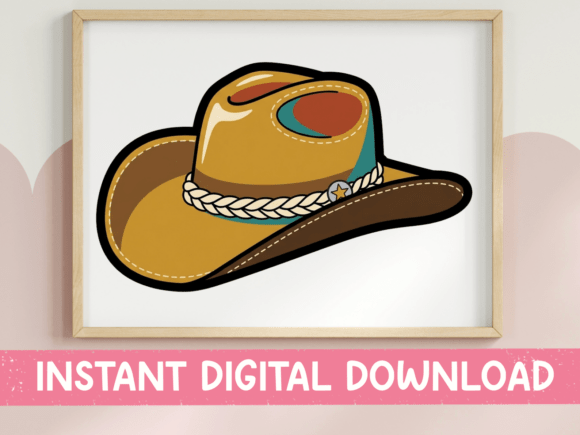
When preparing a new collection for my Etsy shop or a seasonal bundle for Creative Fabrica, the first impression of a graphic asset is crucial. This Classic Cowboy Hat Sticker Design makes a quiet, confident statement. It feels rustic and authentic, not cartoonish or overly playful. The tan and brown palette with a cream braided band evokes a sense of heritage and storytelling. It's a decorative element with a mature, almost handmade personality, perfect for a niche that values tradition and understated style.
This design isn't shouting for attention; it's waiting for the right buyer. That audience might include western lifestyle enthusiasts, fans of Americana decor, or customers looking for a masculine, rustic touch. Its mood is classic and grounded, making it a versatile starting point for a range of products beyond just stickers.
Practical Testing Across Product Formats
Before I list anything, I test a design across formats to see where it shines. For this cowboy hat graphic, I'd start by dropping it into a few key mockups.
On a t-shirt, it sits well as a left chest print or a centered graphic on a crewneck tee. The color scheme works on both light and dark fabrics, though I’d test a white print variant for dark shirts. As a mug design, it feels like a natural fit for a morning coffee ritual—the wide brim framing nicely around the curve of the mug. For a tote bag, it becomes a sturdy, decorative logo, suggesting durability.
The real value comes from imagining it across a themed bundle. This single illustration could anchor a “Western Rustic” digital product pack. I could pair it with coordinating SVG elements for a Cricut project—like a set of ranch-themed planner stickers. As a PNG with clean transparency, it easily becomes clipart for a Canva template, perhaps for a social media graphic series for a small business in the equestrian or outdoor sector. It could even be scaled for printable wall art in a cabin or nursery with a rustic theme.
Where This Design Enhances Product Presentation
A strong graphic design asset elevates your entire listing. Here, the classic, clean lines of the hat create strong visual hierarchy in mockup previews. On a marketplace thumbnail, a simple mockup of this hat on a clean tumbler or t-shirt has immediate appeal—it tells the product story quickly. It supports brand consistency if you’re building a western-themed shop; using this asset across your mug designs, sticker sheets, and digital paper packs makes your collection look cohesive and professional, building customer trust.
For perceived value, this design lends itself to premium presentation. Imagine it on a high-quality mockup of a leather journal cover or as a subtle print on a premium cotton tee. It doesn’t look cheap. This increases click-through potential because the asset itself feels commercial and well-crafted, suggesting the final product will be too.
Optimal Uses and Careful Applications
This cowboy hat illustration works best in applications where its details can be appreciated. Large product previews, like full-scale t-shirt fronts or wall art prints, are ideal. It’s a perfect centerpiece for themed bundles—a “Western Wedding” invitation template pack, for instance, where it adds decorative flair. It shines in decorative layouts for printable products and as a straightforward merchandise graphic.
However, it should be used carefully in a few scenarios. The braided hat band details might get lost if the graphic is scaled down too tiny for a sticker sheet with many small elements. Avoid overly complex layouts where it could get crowded. Since it uses mid-tone colors, ensure contrast on dark backgrounds—sometimes adding a subtle outline or background shape helps. Most importantly, for Cricut or Silhouette projects where it’s used as a cut sticker, you must inspect the SVG file quality. Check that the cut lines are clean and contiguous, with no stray paths that could cause cutting issues. Low-resolution print products would blur its gentle shading, so always confirm the file resolution is high enough for your intended physical product.
Essential Seller Notes Before Listing
My process before publishing always involves these practical steps. First, test the design on real mockups from different angles. Preview it as a marketplace thumbnail—how does it look at 200 pixels wide? Check it on both white and dark backgrounds to ensure visibility. If selling physical prints, run a test print to verify the colors render as expected, especially the tan and cream shades.
For digital sellers, organization is key. Ensure your PNG transparency is clean and your SVG layers are logically named if you’re bundling it. Verify the commercial license of the original asset so you can confidently sell your finished products. When pairing this graphic with text, experiment with fonts. A serif font feels traditional and matches its classic vibe. A clean sans serif gives it a more modern, commercial look. A subtle script font could soften it for a feminine audience, while a bold display font might turn it into a more statement logo. Testing these combinations helps you create derivative products faster.
Building a Professional Collection with a Foundational Asset
A graphic like this Classic Cowboy Hat Sticker Design is more than a single item; it’s a foundational design asset. For a creative entrepreneur building a digital download shop or a print-on-demand store, it provides a versatile visual that can be repurposed across product types. It helps you build a professional-looking collection because it has a clear, consistent mood.
Start with it as a standalone sticker design, then expand. Create a sublimation design bundle for tumblers and tote bags. Use it as a clipart element in a larger illustration pack for scrapbooking kits. Adapt it into a social media template for a client in the western niche. Its strength is in its adaptability and its clear niche appeal.
Ultimately, reviewing an asset like this means looking past the initial sticker label. It’s about seeing the potential for product lines, for cohesive branding, and for saving design time. By testing it thoroughly across mockups, checking its technical suitability for your platforms, and understanding where its visual personality fits best, you can integrate it into your shop not just as a product, but as a tool for growing your creative business.